How AI Search Is Changing Local Business Discovery
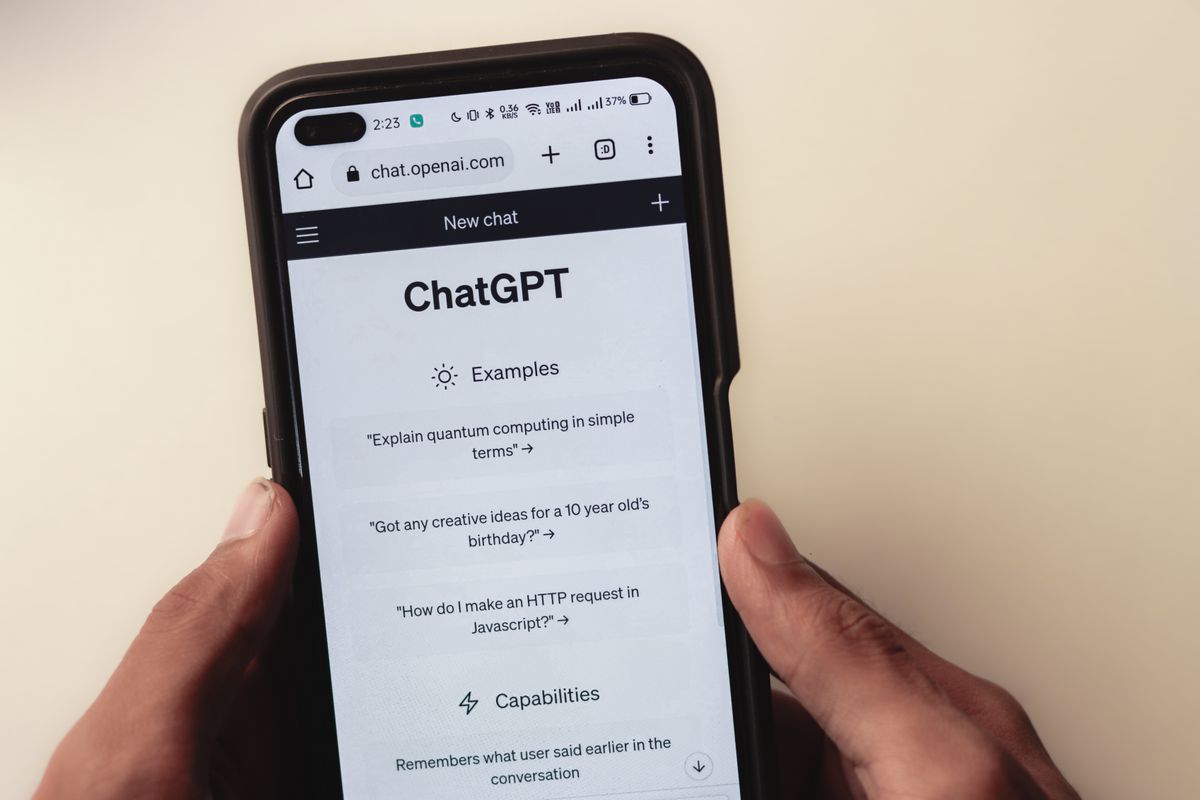
People are asking AI assistants where to eat, who to hire, and which businesses are worth their time. ChatGPT, Gemini, and Perplexity generate answers to questions like “best plumber in [city]” or “top-rated med spa near me,” and those answers are not pulled from a traditional search index.
Most local businesses have no visibility into whether they are being recommended. Google’s own AI Overviews already surface local business recommendations directly in search results.
How AI search works differently
Traditional Google search shows a list of links ranked by an algorithm. You click through, you compare, you decide. AI search gives you an answer. A direct recommendation, sometimes with a short explanation of why.
The sources AI models draw from include:
- Review sites. Google reviews, Yelp, and specialty directories
- Business listings. Directory entries and aggregated business data
- Web content. Articles, blog posts, and local pages that mention businesses
- Structured data. Schema markup that tells search engines what a business is and does
The difference is curation. Instead of showing ten results, the AI picks two or three. If your business is not in that handful, you are invisible in that channel entirely.
What drives AI recommendations
Based on observed patterns in AI-generated local business recommendations:
Review strength
AI models heavily weight review volume, recency, and sentiment. A business with 80 recent positive reviews is far more likely to be recommended than one with 15 reviews from three years ago.
Consistent presence across directories
AI models cross-reference multiple sources. A business that shows up consistently across Google, Yelp, and relevant industry directories looks more established and trustworthy than one that appears in only one place.
Structured business information
Clear, complete business information that AI models can parse easily. This includes proper business categories, service descriptions, and location data. The more structured your information, the easier it is for AI models to pick you.
Web content
Blog posts, local guides, and content that mentions your business by name and category. This gives AI models additional context to draw from when generating recommendations.
What you can do about it
1. Build review volume and recency
This overlaps directly with Google map pack optimization. A steady stream of recent, positive reviews helps you in traditional search and AI search simultaneously.
2. Ensure listing consistency
Your name, address, phone number, and business categories should be identical across every directory. Inconsistencies confuse both traditional search engines and AI models.
3. Create structured content
Blog posts and web pages about your services, your area, and topics relevant to your business type give AI models more material to draw from. Content that clearly answers common questions is particularly valuable.
4. Monitor your visibility
Track whether AI assistants mention your business when asked about your category in your area. This is a new metric most businesses are not tracking at all, which means being early to it is a competitive advantage.
Pinwarden tracks AI search visibility as part of its management service, showing you which AI models recommend your business and for which queries.
The timeline
AI search is not replacing traditional search. Both channels will coexist, and Google itself is integrating AI overviews into its search results. Businesses visible in both channels will get more calls than those visible in only one.
The foundation is the same: complete, active, well-reviewed business profiles with consistent information across the web. What changes is the measurement. You need to know not just where you rank on Google, but whether ChatGPT and Gemini are recommending you.